
Hip Problems in Dogs: Complete Guide to Diagnosis, Treatment & Prevention
Hip problems affect millions of dogs worldwide, with some large breeds showing rates as high as 60%. These conditions can significantly impact your dog’s quality of life, causing pain, mobility issues, and reduced activity levels. Whether you’re a current dog owner noticing concerning symptoms or considering adding a large breed puppy to your family, understanding hip problems in dogs is essential for providing the best possible care. Before bringing a new dog into your home, it’s important to research breed-specific risks and choose responsible breeding practices, including health screening, to help prevent future hip issues.
This comprehensive guide covers everything from early detection and diagnosis to treatment options and long-term management strategies. You’ll learn to recognize the warning signs, understand your treatment options, and discover how to help your dog live comfortably with hip conditions.
Common Hip Problems in Dogs
Hip problems encompass several distinct conditions that affect the hip joint structure and function. The most prevalent condition is canine hip dysplasia, affecting 20-40% of large breed dogs and serving as the primary concern for many pet owners. Certain breeds are more prone to hip dysplasia due to genetic factors, making tailored care especially important for these dogs. This genetic condition involves abnormal development of the ball and socket joint, leading to instability and eventual degenerative joint disease.
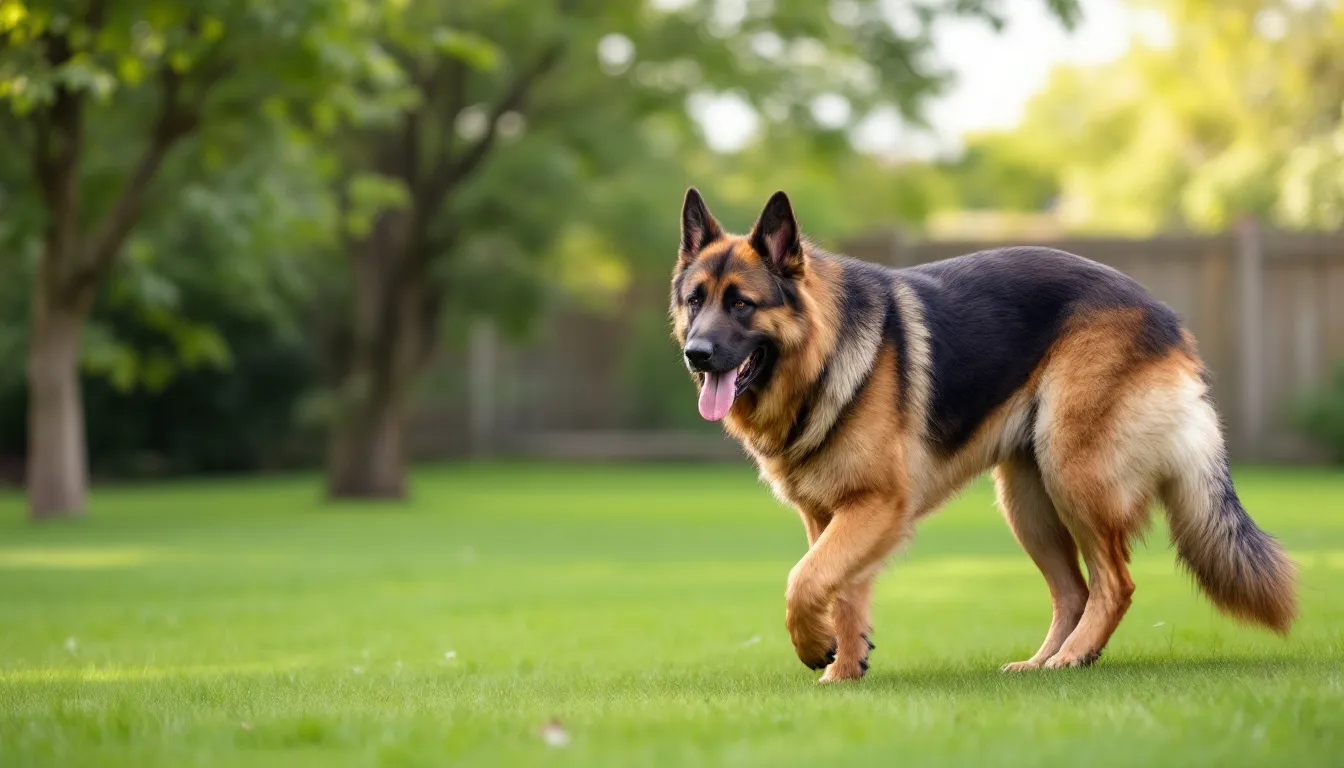
Osteoarthritis develops in hip joints as dogs age, often appearing as a secondary condition following hip dysplasia. Unlike the developmental nature of dysplasia, arthritis represents the body’s response to chronic joint instability and wear. This condition affects both young and mature dogs, though symptoms typically worsen with age.
Hip luxation, or dislocation, occurs when the femoral head completely separates from the acetabulum. While traumatic injuries cause most cases, severe hip dysplasia can also lead to spontaneous luxation. This condition requires immediate veterinary intervention to prevent permanent damage to the entire joint.
Legg-Calvé-Perthes disease specifically affects small breed dogs under one year old, causing avascular necrosis of the femoral head. Unlike hip dysplasia, which primarily impacts larger dogs, this condition targets toy breeds and typically manifests before dogs reach maturity.
Hip Dysplasia - The Most Common Hip Problem
Hip dysplasia represents a developmental disorder where the ball and socket hip joint forms abnormally during growth. The condition involves poor conformity between the femoral head and the acetabulum, creating joint laxity that leads to cartilage damage and eventual arthritis.
This condition affects large breeds like German Shepherds, Labradors, and Golden Retrievers most commonly, though giant breed dogs face even higher risks. The abnormal joint development causes the femoral head to sit loosely within the hip socket, creating abnormal wear patterns and chronic inflammation.
Joint laxity allows excessive movement within the hip joint, causing the cartilage surfaces to grind against each other inappropriately. This mechanical wear triggers inflammatory responses that further damage joint structures and lead to developing arthritis over time.
The condition can appear in puppies as young as four months, though many dogs develop hip dysplasia gradually with age. Early diagnosis becomes crucial for implementing treatment strategies that can slow disease progression and maintain quality of life. Early screening, careful breed selection, and proper weight management are important steps to reduce a dog's risk of developing hip dysplasia.
What Causes Hip Dysplasia
Genetic predisposition serves as the primary factor in developing hip dysplasia, especially in large breeds. Dogs inherit polygenic traits that influence hip joint development, making some bloodlines significantly more susceptible than others. This genetic disease affects multiple genes rather than following simple inheritance patterns.
Environmental factors play crucial supporting roles in disease development. Overfeeding large breed puppies accelerates growth rates beyond what the developing hip joints can accommodate, increasing the dog’s risk of poor hip conformation. Rapid weight gain during critical growth periods puts excessive stress on immature joint structures.
Large breed puppies require specialized nutrition until 12-18 months old to support proper skeletal development. Free-feeding practices and high-calorie diets can cause puppies to grow too quickly, overwhelming the natural bone and cartilage formation processes. Adult dogs who were overweight as puppies show higher rates of hip dysplasia than those maintained at healthy weights.
Early spaying or neutering before six months may increase risk by disrupting normal hormonal influences on bone development. These hormones help coordinate proper timing of growth plate closure and joint maturation in young dogs.
Responsible breeding practices, such as screening breeders and selecting healthy breeding stock, along with early management strategies, are key to help prevent hip dysplasia in at-risk dogs.
Signs and Symptoms
Clinical signs of hip dysplasia vary significantly between individual dogs, making recognition challenging for many owners. Limping or lameness in back legs, especially after exercise or first thing in the morning, often represents the earliest observable symptom. Dogs may favor one leg over the other or show subtle changes in their walking pattern.
The characteristic bunny hopping gait when running serves as a distinctive sign of hip problems. Instead of using alternating rear leg movements, affected dogs use both hind legs simultaneously to minimize discomfort and compensate for joint instability.
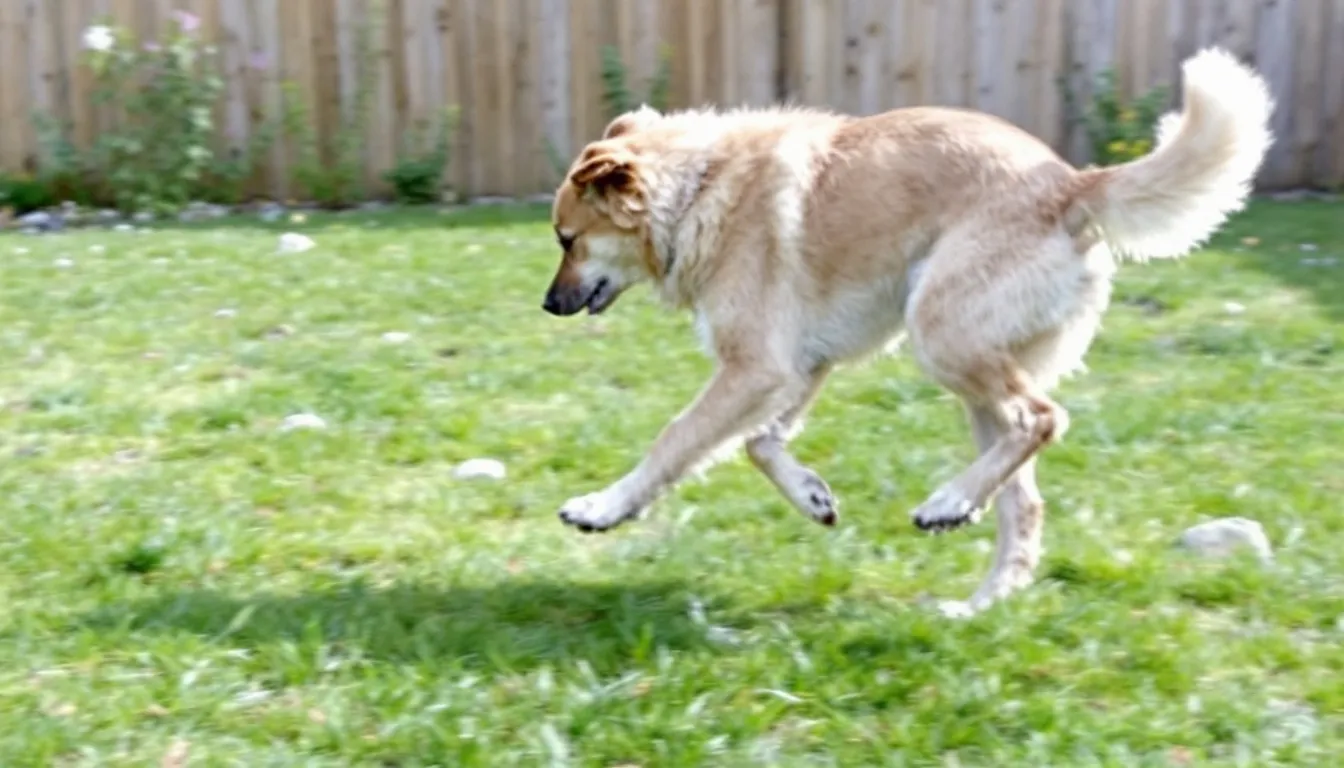
Difficulty rising from lying positions, climbing stairs, or jumping into cars indicates developing joint pain and stiffness. Many dogs with hip dysplasia show reluctance to exercise or demonstrate decreased activity levels compared to their previous behavior patterns.
Physical changes become apparent as the condition progresses. Muscle atrophy in the hindquarters develops as dogs unconsciously shift weight away from painful hips. These clinical signs, including muscle atrophy and gait abnormalities, are particularly common in older dogs due to age-related degenerative changes. Affected dogs may adopt abnormal sitting positions, often sitting with legs to one side rather than squarely beneath their body.
Most dogs don’t vocalize pain, making careful observation of behavioral changes essential for early detection. Owners should watch for subtle signs like hesitation before jumping, preference for soft surfaces, or changes in play behavior that might indicate joint discomfort.
Other Hip Conditions in Dogs
Legg-Calvé-Perthes disease affects toy breeds like Yorkshire Terriers, Poodles, and West Highland White Terriers, typically appearing between four and twelve months of age. This condition involves loss of blood supply to the femoral head, causing bone death and subsequent joint pain. Unlike hip dysplasia, surgical intervention through femoral head ostectomy provides excellent outcomes for most affected small dogs.
Hip luxation requires immediate emergency veterinary care to prevent permanent joint damage. Complete dislocation of the femoral head from the socket creates severe pain and complete loss of function in the affected leg. Traumatic luxations from car accidents or falls need prompt reduction to restore normal anatomy.
Osteoarthritis develops naturally with aging but accelerates significantly when previous injuries or developmental abnormalities are present. This degenerative disease affects the cartilage lining within joints, causing inflammation, pain, and reduced mobility. Even dogs without hip dysplasia may develop arthritis as they enter their senior years.
Hip fractures from trauma require immediate surgical repair to restore joint function. High-energy injuries from vehicle strikes or falls can cause complex fractures involving both the femoral head and acetabulum, requiring specialized orthopedic surgical procedures to reconstruct normal anatomy.
Diagnosing Hip Problems
Physical examination provides the foundation for diagnosing hip dysplasia and related conditions. A thorough physical exam is essential for identifying early signs of hip problems and evaluating joint health. Veterinarians perform the Ortolani test to assess joint laxity by manipulating the hip joint while the dog is anesthetized. A positive ortolani sign indicates excessive movement within the joint, suggesting developmental abnormalities.

X rays under anesthesia provide the definitive diagnosis of hip dysplasia and allow assessment of the condition of the dog's hips and determine severity of joint damage. Proper radiographic positioning requires general anesthesia to ensure accurate measurements and prevent patient discomfort during the procedure. These images reveal joint conformation, degree of subluxation, and presence of secondary arthritis.
The Orthopedic Foundation for Animals (OFA) and PennHIP scoring systems evaluate hip joint conformation using standardized criteria. OFA grading ranges from excellent to severe dysplasia, while PennHIP provides a distraction index measuring joint laxity. Both systems help veterinarians assess disease severity and guide treatment recommendations.
Advanced imaging including CT scans and MRI may be necessary for complex cases requiring surgical intervention. These detailed images provide three-dimensional views of joint structures and help surgical specialists plan procedures like total hip replacement or triple pelvic osteotomy.
Blood work checks for inflammation markers and rules out other causes of lameness in dogs with suspected hip problems. While not diagnostic for hip dysplasia specifically, laboratory tests help identify concurrent conditions that might complicate treatment plans.
Early diagnosis significantly improves treatment outcomes, making routine screening important for high-risk breeds. Early detection and diagnosis of dog's hip dysplasia allows for a wider range of treatment options, including lifestyle changes, nonsurgical methods, and surgical procedures depending on the severity and the dog's eligibility for surgery. Young dogs showing clinical signs benefit from prompt evaluation to implement management strategies that can slow disease progression.
Treatment Options
Treatment approaches for hip problems depend on multiple factors including disease severity, the dog’s age, body size, activity level, and overall health status. A dog's age at the time of surgery or treatment can significantly influence the overall cost, prognosis, and decision-making process, as younger dogs may have better recovery outcomes and different long-term needs compared to older dogs. Early intervention often prevents or significantly delays arthritis development, making timely diagnosis crucial for optimal outcomes.
The most effective treatment plans combine multiple therapeutic modalities rather than relying on single interventions. This multimodal approach addresses pain management, joint protection, muscle strengthening, and lifestyle modifications simultaneously to maximize patient comfort and function.
Board certified veterinary surgeons often collaborate with primary care veterinarians to develop comprehensive treatment plans. Surgical procedures may be recommended for severe cases, while medical management suits dogs with mild to moderate symptoms or those unable to undergo surgery.
Treatment goals focus on controlling joint pain, maintaining mobility, preserving muscle mass, and optimizing quality of life throughout the dog’s lifespan. Success depends on owner commitment to long-term management and regular monitoring for disease progression.
Medical Management
Nonsteroidal anti inflammatory drugs (NSAIDs) form the cornerstone of medical management for dogs with hip dysplasia. Medications like carprofen (Rimadyl), firocoxib (Previcox), and meloxicam (Metacam) reduce inflammation and provide significant pain relief for most affected dogs. These medications require regular monitoring for potential side effects.
Additional pain management options include multimodal approaches combining different drug classes. Gabapentin helps control neuropathic pain, while tramadol provides supplemental analgesia for dogs with severe discomfort. Amantadine can enhance the effectiveness of other pain medications when used in combination therapy.
Joint supplements containing glucosamine, chondroitin sulfate, and omega-3 fatty acids support cartilage health and may slow disease progression. Products like Adequan (polysulfated glycosaminoglycan) require injection but provide more potent joint protection than oral supplements. These treatments work best when started early in the disease process.
Weight management represents one of the most important aspects of medical management. Maintaining a healthy weight reduces mechanical stress on damaged hip joints and significantly improves patient comfort. Achieving and sustaining a healthy body weight can delay the onset of disease, reduce clinical signs, and improve overall joint health. Even modest weight reduction can provide substantial relief for dogs with hip dysplasia.
Controlled exercise programs help maintain muscle strength without exacerbating joint damage. Swimming provides excellent low-impact cardiovascular exercise that strengthens supporting muscles while minimizing joint stress. Leash walks on soft surfaces allow controlled activity that keeps joints mobile without overloading damaged structures.
Pain relief through medical management enables many dogs to maintain good quality of life for years. Regular veterinary monitoring ensures medications remain effective and allows dosage adjustments as the condition progresses.
Surgical Options
Juvenile pubic symphysiodesis represents a minimally invasive procedure for very young puppies, typically performed before 18 weeks of age. This technique involves closing a specific growth plate to alter pelvic development and improve hip socket coverage. The procedure works best in dogs identified with hip laxity at an early age through screening programs.
Triple pelvic osteotomy (TPO) suits young dogs under 10 months old who still have healthy cartilage surfaces. This procedure involves cutting and repositioning pelvic bones to improve hip socket orientation and reduce joint laxity. Success depends on performing surgery before significant arthritis develops.
Total hip replacement provides the most comprehensive solution for dogs with severe hip dysplasia. This procedure replaces both the femoral head and acetabulum with metal and plastic implants, essentially creating a new hip joint. Costs typically range from $3,000 to $7,000 per hip, but success rates exceed 90% in properly selected candidates.
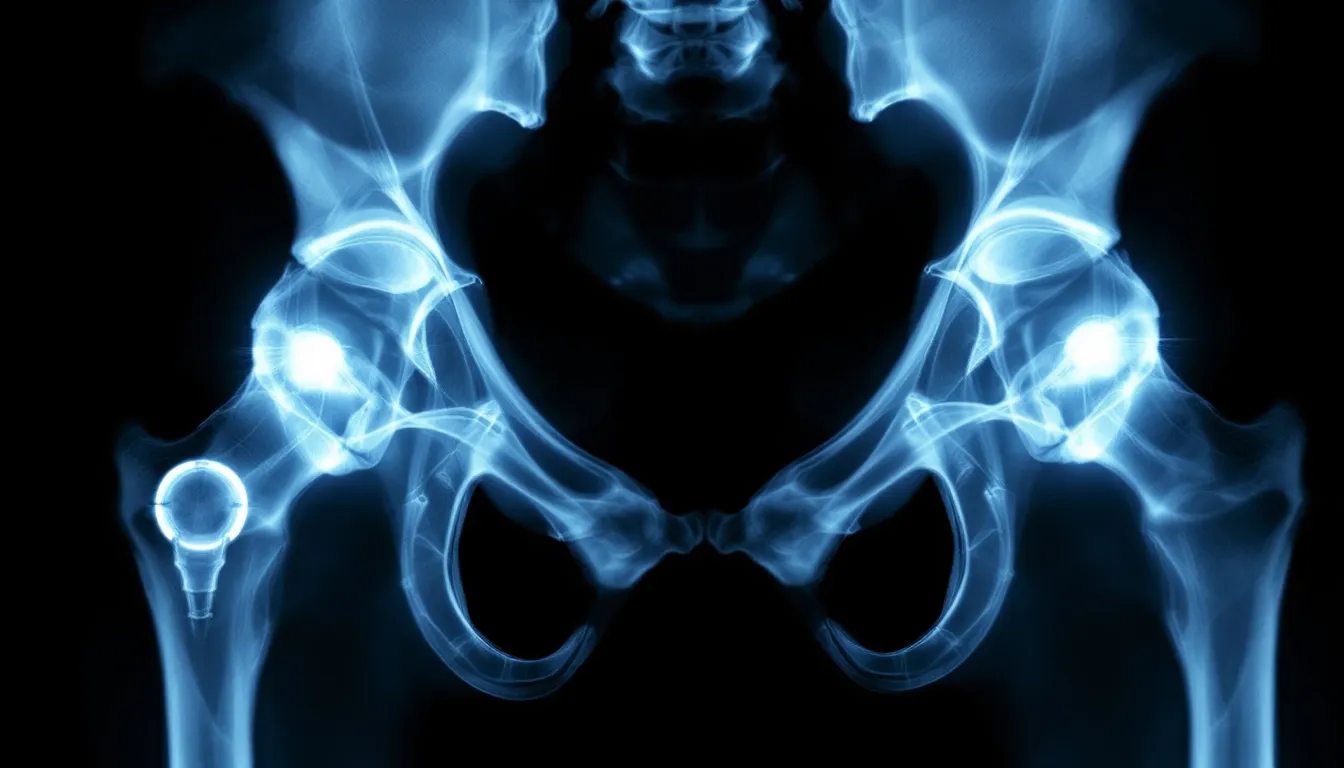
Femoral head ostectomy (FHO) creates a false joint by removing the femoral head entirely. While less expensive than total hip replacement, this procedure works best in smaller dogs where the surrounding muscles can adequately support the modified joint structure. Larger dogs may experience persistent lameness following FHO.
Surgical intervention timing is crucial for optimal outcomes. Procedures like TPO must be performed before arthritis develops, while total hip replacement works best after skeletal maturity. A board certified veterinary surgeon can help determine the most appropriate surgical option based on individual patient factors.
Alternative and Complementary Treatments
Physical therapy programs designed specifically for dogs with hip problems can significantly improve mobility and comfort. Certified canine rehabilitation therapists develop exercise protocols that strengthen supporting muscles while protecting damaged joints. These programs often include range-of-motion exercises, therapeutic swimming, and targeted strengthening activities.
Hydrotherapy provides excellent low-impact exercise that allows dogs to maintain fitness without stressing painful joints. Underwater treadmills and swimming pools enable controlled exercise programs that build muscle strength while supporting body weight. Many dogs show improved mobility after completing structured hydrotherapy programs.
Acupuncture treatments may provide additional pain relief and improve circulation to affected areas. Some dogs respond well to acupuncture as part of a comprehensive pain management program, though scientific evidence for effectiveness varies. Licensed veterinary acupuncturists can determine if this treatment might benefit individual patients.
Emerging regenerative therapies including stem cells show promise for treating joint damage in dogs with hip dysplasia. These treatments involve harvesting and concentrating the dog’s own cells to promote healing within damaged joints. While still considered experimental, some dogs show improvement following stem cell therapy.
Laser therapy and therapeutic ultrasound reduce inflammation and promote healing in damaged tissues. These non-invasive treatments complement other therapeutic modalities and may provide additional comfort for dogs with chronic joint pain.
CBD products formulated specifically for dogs may help with pain management, though veterinary guidance is essential for safe use. The regulatory landscape for these products continues to evolving, making veterinary consultation important before starting any CBD treatment program.
Weight Management and Nutrition
Maintaining a healthy weight is one of the most effective ways to protect your dog’s hip joints and manage the progression of canine hip dysplasia. Overweight dogs place extra strain on their hips, which can accelerate joint damage and increase the risk of developing hip dysplasia, especially in large breed dogs. By keeping your dog at a healthy weight, you can significantly reduce joint pain and help prevent further degeneration of the hip joints.
Nutrition plays a vital role in supporting joint health. Diets formulated for large breed dogs are designed to promote steady growth and provide the right balance of nutrients to protect developing hip joints. Key ingredients such as omega-3 fatty acids, glucosamine, and chondroitin are known to help reduce inflammation and support cartilage health, making them valuable additions to your dog’s diet if they are at risk for or already have hip dysplasia.
If your dog is overweight, gradual weight loss under veterinary supervision can alleviate pressure on the hips and improve mobility. Your veterinarian can recommend a tailored weight management plan, including portion control, appropriate calorie intake, and the best type of food for your dog’s specific needs. By prioritizing weight management and optimal nutrition, you can help your dog maintain healthy hip joints and enjoy a more active, comfortable life.
Breeds Most at Risk
Large breeds face the highest risk for developing hip dysplasia, with German Shepherds showing prevalence rates up to 19% despite decades of screening efforts. Labrador Retrievers and Golden Retrievers also demonstrate significant susceptibility, making these popular family dogs prime candidates for screening programs.
Giant breed dogs including Great Danes, Saint Bernards, Mastiffs, and Newfoundlands show even higher risk profiles. These breeds often develop hip problems earlier and more severely than their smaller large-breed counterparts. Great Danes can show prevalence rates exceeding 30% in some bloodlines.
Medium-sized breeds with genetic predispositions include Bulldogs, Bernese Mountain Dogs, and Old English Sheepdogs. Bulldogs face particularly high risks due to their body conformation and genetic background, with some studies showing prevalence rates above 60%. In contrast, some dog breeds are known to have fewer health issues, often due to genetics, responsible breeding, and lifestyle factors.
Mixed large breed dogs also carry significant risk, especially when parentage includes susceptible breeds. First-generation crosses between affected breeds often maintain high susceptibility to hip dysplasia, making screening important even for mixed-breed dogs.
Prevalence rates vary dramatically between breeds and bloodlines, ranging from less than 1% in some breeds to over 80% in others. Responsible breeding practices focusing on hip health have successfully reduced prevalence in many breeds over the past several decades.
Prevention Strategies
Choosing reputable breeders who perform OFA or PennHIP testing on breeding animals represents the most effective prevention strategy. Both parents should have hip evaluations showing good or excellent ratings before breeding occurs. Breeders should willingly provide documentation of parental hip scores and discuss their breeding program’s approach to hip health.
Feeding large breed puppy food until 12-18 months old helps control growth rate and supports proper skeletal development. These specialized diets contain carefully balanced calcium and phosphorus ratios that promote healthy bone formation without accelerating growth beyond appropriate rates.
Avoiding overfeeding and free-feeding practices prevents rapid weight gain that can overwhelm developing joint structures. Large breed puppies should be fed measured amounts on a schedule rather than having constant access to food. Body condition scoring helps owners maintain appropriate growth rates.
Providing controlled exercise while avoiding jumping and excessive running in puppies protects developing joints from trauma. Puppies should have access to free play but avoid forced exercise or activities that stress immature hip joints. Swimming provides excellent exercise for growing large breed dogs.
Consider delaying spay/neuter procedures until after 12 months in large breeds to allow normal hormonal influences on skeletal development. This timing allows growth plates to close naturally while still providing the health benefits of sterilization. Discuss optimal timing with your veterinarian based on individual factors.
Cost of Treatment
Medical management costs typically range from $200 to $500 monthly for medications, supplements, and supportive care. These ongoing expenses include pain medications, joint supplements, prescription diets, and regular veterinary monitoring. Costs vary based on drug requirements and individual patient needs.
Lifetime medical costs for dogs with hip dysplasia can reach $4,800 to $19,200 over an 8-10 year period, depending on disease severity and treatment intensity. These estimates include medications, supplements, regular veterinary care, and periodic diagnostic imaging to monitor disease progression.
Surgical costs vary significantly based on procedure complexity and geographic location. Triple pelvic osteotomy ranges from $1,200 to $3,000, while total hip replacement costs $3,000 to $7,000 per hip. Femoral head ostectomy typically costs $800 to $2,500, making it more accessible for many families.
Pet insurance may cover 70-90% of treatment costs when enrolled before diagnosis occurs. Pre-existing conditions are typically excluded from coverage, making early enrollment important for high-risk breeds. Compare policies carefully to understand coverage limits and waiting periods.
Financial planning for potential hip problems should begin when acquiring large breed puppies. Detecting hip problems at a young age can improve management options and potentially reduce long-term treatment costs. Setting aside funds or purchasing insurance early can prevent difficult decisions about treatment options if problems develop later.
Ongoing Monitoring and Adjustments
Managing canine hip dysplasia is an ongoing process that requires regular monitoring and flexibility in your dog’s treatment plan. Routine veterinary check-ups are essential for tracking the progression of hip dysplasia and identifying any changes in your dog’s condition. By closely observing your dog’s mobility, joint pain, and muscle strength, you and your veterinarian can make timely adjustments to their care.
As hip dysplasia advances, dogs may develop secondary issues such as degenerative joint disease or muscle atrophy, which can further impact their quality of life. Early detection of these complications allows for prompt intervention, whether that means modifying exercise routines, adjusting medications, or introducing new therapies to address joint pain and maintain muscle mass.
Your veterinarian will work with you to regularly reassess your dog’s treatment plan, ensuring it remains effective as their needs change. This proactive approach helps manage symptoms, slow disease progression, and provide the best possible quality of life for dogs with hip dysplasia.
Living with Hip Problems - Long-term Care
Most dogs with hip problems live normal lifespans with proper management, maintaining good quality of life throughout their senior years. Success depends on consistent application of management strategies and regular monitoring for disease progression or treatment complications.
Regular veterinary checkups every six months allow monitoring of disease progression and adjustment of treatment plans as needed. These visits should include physical examinations, pain assessments, and periodic imaging to track joint changes over time.

Maintaining ideal body weight throughout the dog’s life significantly impacts long-term outcomes. Even small amounts of excess weight can dramatically increase joint stress and accelerate arthritis progression. Regular body condition scoring helps owners maintain optimal weight.
Providing orthopedic bedding and non-slip surfaces around the home improves comfort and safety for dogs with hip problems. Memory foam beds support joints during rest, while non-slip rugs prevent falls on smooth surfaces that could exacerbate injuries.
Exercise routines should be adjusted as dogs age and their condition progresses. Swimming may replace high-impact activities, while shorter, more frequent walks maintain mobility without overexertion. Physical therapy exercises can be incorporated into daily routines.
Monitoring for pain signs and adjusting medications as needed ensures continued comfort as the condition progresses. Dogs may require medication changes, dosage adjustments, or additional pain management modalities as arthritis advances. Working closely with your veterinarian ensures optimal pain control throughout your dog’s life.
Hip problems in dogs, while challenging, can be effectively managed with proper diagnosis, appropriate treatment, and committed long-term care. Early detection through regular veterinary examinations and breed-appropriate screening allows implementation of management strategies that can significantly improve outcomes. Whether through medical management, surgical intervention, or a combination of approaches, most dogs with hip problems can enjoy active, comfortable lives with their families.
Future Research and Developments
The future of managing canine hip dysplasia is bright, thanks to ongoing research and technological advancements in veterinary medicine. Improved imaging techniques, such as advanced CT and MRI scans, are making it possible to diagnose hip dysplasia earlier and with greater accuracy, allowing for more targeted interventions.
Surgical procedures continue to evolve, with innovations in total hip replacement and triple pelvic osteotomy offering better outcomes and faster recovery times for dogs with hip dysplasia. These surgical options are being refined to suit a wider range of patients, from young dogs with early signs of joint laxity to mature dogs with advanced joint damage.
Researchers are also delving deeper into the genetic and environmental factors that contribute to hip dysplasia, with the goal of developing breeding programs that reduce the incidence of this condition in future generations. Exciting developments in regenerative medicine, such as stem cell therapy, are being explored as potential treatments to repair joint damage and restore mobility in affected dogs.
As our understanding of hip dysplasia grows, so do the options for prevention, diagnosis, and treatment—offering hope for improved quality of life for dogs with hip dysplasia and their families.
Conclusion and Summary
Canine hip dysplasia is a complex condition that demands a comprehensive and adaptable approach to care. By understanding the genetic and environmental factors that contribute to hip dysplasia, dog owners can take proactive steps to reduce the risk of developing hip dysplasia or lessen its impact. Early diagnosis is crucial, as it opens the door to a wider range of treatment options and better long-term outcomes.
A combination of medical management, weight control, and targeted nutrition can help alleviate pain and support joint health in dogs with hip dysplasia. For some, surgical procedures such as total hip replacement or triple pelvic osteotomy may offer the best chance for restored mobility and comfort, especially in young and mature dogs with severe joint changes.
Ongoing monitoring and regular adjustments to the treatment plan ensure that each dog receives individualized care as their needs evolve. By staying informed about the latest advances in veterinary medicine and working closely with your veterinarian, you can help your dog live a happier, more active life despite hip dysplasia. Remember, the key to managing this condition is early diagnosis, a tailored treatment plan, and a commitment to your dog’s long-term well-being. If you notice any signs of hip dysplasia in your dog, consult your veterinarian promptly to begin the journey toward improved comfort and mobility.


